
custom mirror panels
Grounding a Welding Table Ensuring Safety and Efficiency Welding is a crucial process in various industries, from construction to manufacturing. However, it comes with inherent risks, particularly related to electrical hazards. One of the most effective ways to mitigate these risks is by properly grounding a welding table. This article will explore the importance of grounding a welding table, the methods to achieve it, and the benefits that follow. Importance of Grounding Grounding a welding table is vital for a number of reasons. Primarily, it protects the welder from electrical shock. Welding involves high voltages that can be dangerous without proper safety measures. If a welder accidentally touches a live wire or an electrically charged component, grounding ensures that the electrical current has a safe path to the ground, reducing the risk of serious injury. Moreover, effective grounding helps prevent equipment damage. An ungrounded welding table can lead to electrical surges that might damage the welder or other electronic devices in the vicinity. By establishing a reliable grounding system, businesses can save on repair and replacement costs. Additionally, grounding improves the quality of the welded product. Electrical disturbances can create inconsistencies in the welding arc, leading to weak joints and subpar finishes. Grounding the table minimizes these disturbances, resulting in a cleaner and more efficient welding process. Methods to Ground a Welding Table Grounding a welding table involves a few straightforward steps. First, one must determine the grounding needs of the workspace and select appropriate materials. Generally, metal welding tables are grounded using a copper or aluminum grounding wire. 1. Prepare the Welding Table Ensure that the welding table is clean and free from rust or paint in the area where the ground connection will be made . This is crucial for an effective electrical connection. grounding a welding table 2. Choose the Right Grounding Method - Direct Grounding This involves connecting a grounding wire directly from the welding table to a grounding rod that is securely driven into the earth. This method is straightforward and highly effective. - Electrical System Grounding In some facilities, welding tables can be grounded via the building's electrical system. This requires connecting the table to an appropriate grounding terminal on an electrical panel. 3. Connect the Grounding Wire Use appropriate connectors to attach the grounding wire to the welding table. Bolts or clamps made of conductive material should be used to ensure a strong bond. 4. Test the Grounding Connection After installation, it’s important to test the grounding system. A multimeter can be used to check the continuity of the grounding wire and verify that it has a low resistance connection to the ground. Benefits of Proper Grounding The benefits of grounding a welding table extend beyond safety. First and foremost, it enhances the overall safety of the workplace. The reduction of electrical hazards creates a more secure environment for workers, which can improve morale and productivity. Additionally, grounding contributes to higher quality welds. With a stable ground connection, welders can achieve more consistent arcs and better penetration, leading to stronger joints. This not only enhances product quality but also reduces rework and scrap, ultimately improving efficiency. Improved equipment longevity is another significant benefit. Proper grounding can greatly reduce the wear and tear on welding equipment, ensuring that tools and machines last longer and function at their best. Conclusion In conclusion, grounding a welding table is an essential practice that ensures safety, improves efficiency, and enhances the quality of welds. By understanding the importance of grounding and implementing effective grounding methods, welders and organizations can protect both their employees and their equipment. Regular maintenance and testing of grounding systems are also crucial to ensure ongoing safety and effectiveness in the welding process. In a profession where safety is paramount, a well-grounded welding table is not just an option; it is a necessity.
about
custom mirror panels
The Versatility and Importance of Butterfly Valves A Manufacturer's Perspective Butterfly valves have gained prominence in various industries due to their unique design, efficiency, and versatility. As a leading butterfly valves manufacturer, understanding the features and benefits of these valves can guide both potential customers and industry stakeholders in making informed decisions. This article delves into what butterfly valves are, their applications, advantages, and the considerations for manufacturers in producing high-quality valves. What are Butterfly Valves? Butterfly valves are quarter-turn valves that use a circular disc to regulate the flow of liquids or gases through a pipeline. The disc, which is mounted on a rotating shaft, can be turned 90 degrees to either allow or restrict flow. This simple yet effective design makes them suitable for various applications, including water supply, wastewater treatment, chemical processing, and HVAC systems. Applications of Butterfly Valves The versatility of butterfly valves permits their use across a myriad of sectors. In water treatment facilities, for example, they are often employed to control the flow of water through treatment processes. In the oil and gas industry, butterfly valves are essential in regulating the flow of hydrocarbons, making them indispensable in pipeline systems. Additionally, these valves are commonly used in food and beverage processing, where hygiene and efficiency are paramount. Their lightweight structure allows for quick installation, and their compact design is advantageous in systems with space constraints. Advantages of Butterfly Valves 1. Efficiency Butterfly valves require less space than traditional gate or globe valves, making them easier to install in tight spaces. Their design allows for quick operation, providing a more efficient flow control mechanism. 2. Cost-Effectiveness The manufacturing process for butterfly valves is generally less complex, resulting in a more economical product. Their lightweight construction also leads to savings in transportation and installation costs . butterfly valves manufacturer 3. Durability High-quality butterfly valves are designed to withstand extreme temperatures and pressures. Materials such as stainless steel, ductile iron, and various polymers can be employed to enhance resistance to corrosion and wear. 4. Low Maintenance Once installed, butterfly valves typically require minimal maintenance. Their simple design reduces the potential for leaks and mechanical failures, which translates to lower downtime and operational costs. 5. Versatile Design Options Butterfly valves can be customized to suit a variety of operational requirements. Options such as soft seals, metal seats, and various actuation methods (manual, electric, or pneumatic) enhance their adaptability. Considerations for Manufacturers As a manufacturer of butterfly valves, several critical factors must be considered to ensure the production of high-quality products. First, the selection of materials is vital. Using the right materials not only enhances the valve's lifespan but also ensures compatibility with different types of fluids. Second, manufacturers must adhere to industry standards and regulations. Compliance with certifications such as ISO, API, and ANSI guarantees that the valves meet stringent quality and safety criteria. Moreover, investing in advanced manufacturing technologies, such as precision machining and automated assembly, can significantly improve product quality and consistency. Finally, maintaining strong relationships with suppliers and customers allows manufacturers to receive valuable feedback, which can guide product improvements and innovation. Conclusion Butterfly valves represent an essential component in fluid control systems across various industries. Their efficiency, cost-effectiveness, and versatility make them a preferred choice for many applications. As a butterfly valves manufacturer, prioritizing quality, compliance, and innovation is crucial for meeting market demands and ensuring customer satisfaction. By understanding the importance of these valves and their applications, manufacturers can continue to contribute to the advancement of fluid management solutions worldwide.
-

High quality industrial productsagement

High quality industrial products
View Details -

Meet the diverse needs of customers

Meet the diverse needs of customers
View Details -

Strict quality control

Strict quality control
View Details -

Top raw materials

Top raw materials
View Details -

Trusted supplier

Trusted supplier
View Details
Our application
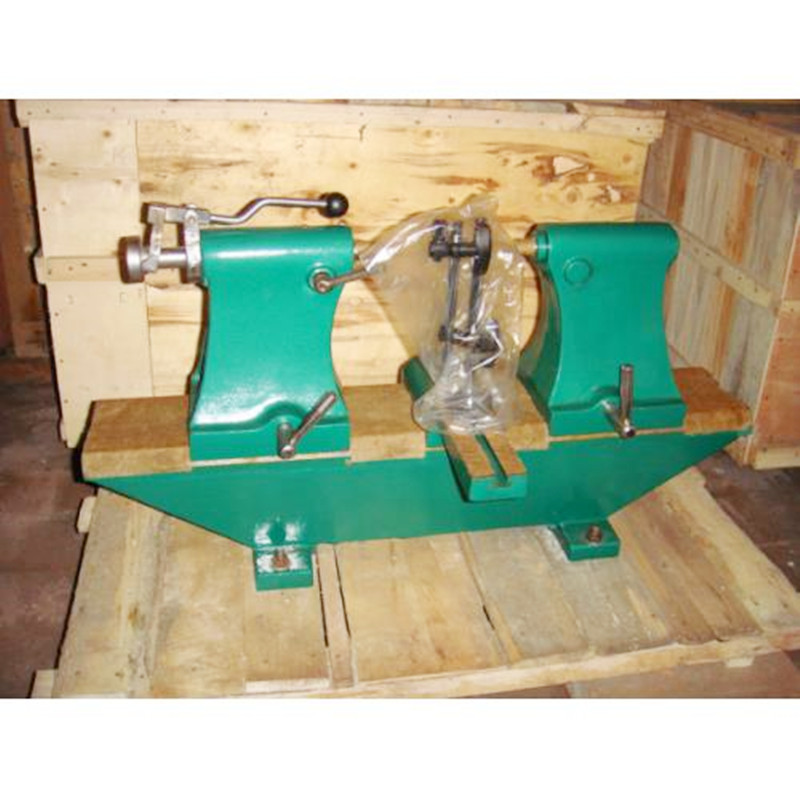
news and information
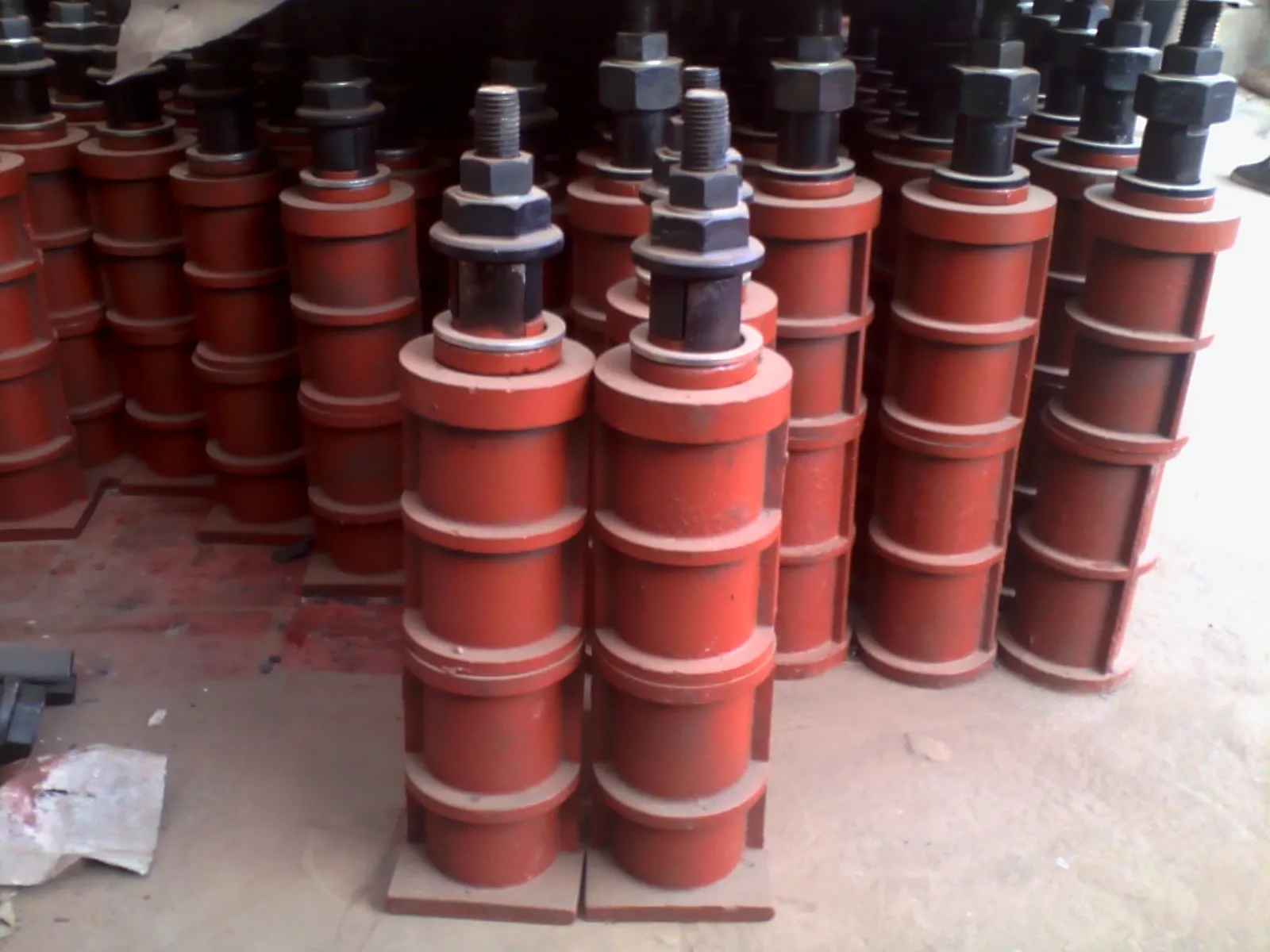
Wire bird spikes for effective bird control solutions in outdoor spaces.
Bird spikes wire is a common and effective solution to prevent birds from roosting or nesting on bui
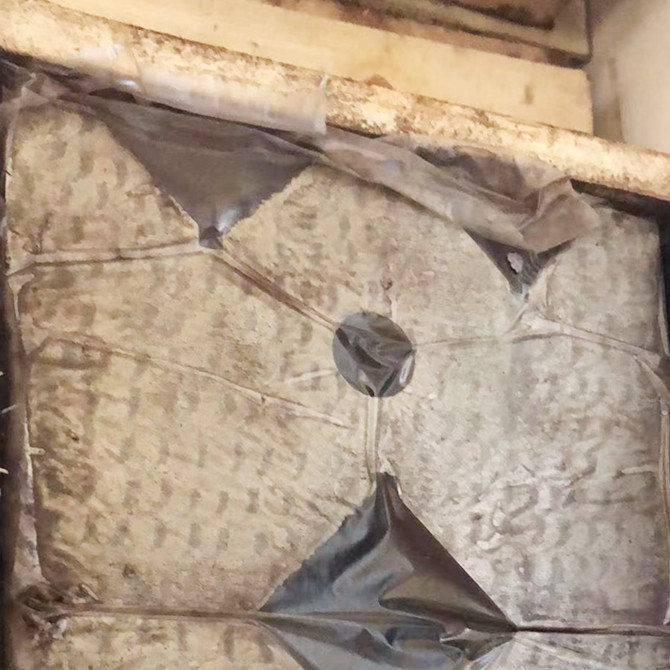
Versatile Granite Angle Plate for Precision Machining and Workholding Solutions
Understanding Granite Angle Plates A Key Tool for Precision Measurement In the realm of manufacturin
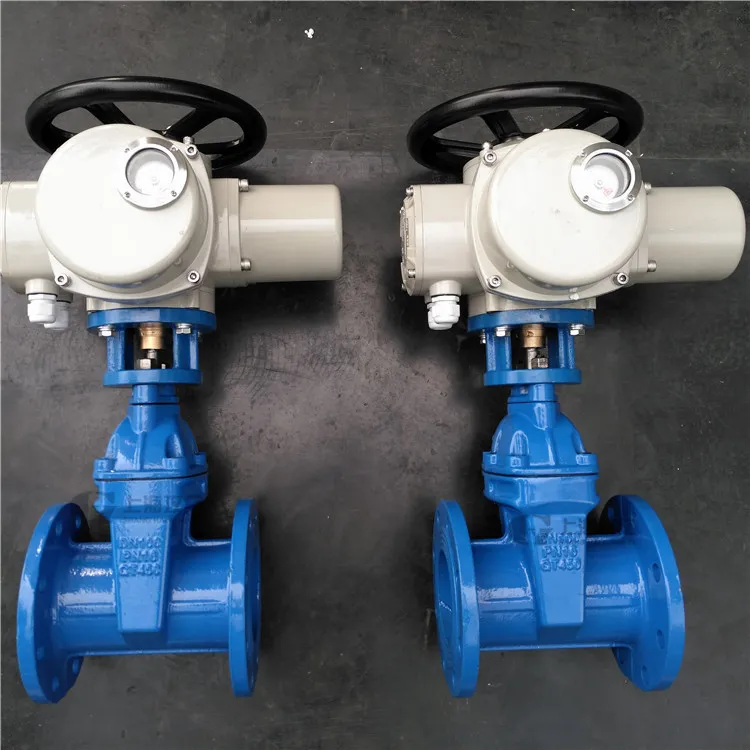
vibration pad price
Understanding Vibration Pad Prices A Comprehensive Guide Vibration pads, also known as anti-vibratio
 English